
天鹅套索
Out-of-work Chinese actors turn to theme parks as immersive characters after AI squeezes short-drama jobs_我的网站

A |

There, they play martial arts heroes and folk characters for live audiences, finding steadier income and real-time connection with viewers.
"Earning a living with your own hands is nothing to be ashamed of," actress Luo Xinyuan told the Global Times, even as many still hold out hope, waiting for good scripts.
The migration reflects a stark reality. In the first quarter of 2026, AI micro-dramas accounted for more than 95 percent of all micro-dramas released industry-wide, sharply squeezing the space for live-action productions.
By July, pay for leading actors had shrunk by over 50 percent, mid-tier actors by more than 80 percent on average, and daily wages for bottom-rung extras had fallen into double digits, China's CCTV reported.
Luo, a 21-year-old actress, experienced the downturn firsthand. She came to Hengdian, China's largest film and television production base, to shoot short dramas. "When I first arrived, there were many crews preparing in one hotel. Now sometimes there are only one or two, or none," she told the Global Times.
This May, she began playing the role of Huang Rong, a beloved wuxia heroine, at Hengdian World Studios. Her daily routine includes interactive stage competitions, parades and live audience interactions, working nearly 13 hours daily during the peak summer season.
"It's tiring but fulfilling," Luo said. "There are no scripts here. It's more about playing with visitors face to face." The change has eased her anxiety. "When I was filming, I kept worrying about the next job. Now I feel more stable."
Yin Jiaxuan, 25, took a different route. He started his career as a professional character performer at major theme parks, starring in immersive shows based on popular game and film IPs before transitioning to short dramas and online movies in mid-2024.
At the industry's peak, he moved seamlessly between sets.
"One crew wrapped, and the next was already arranged. I'd go straight to makeup the next day and start filming the day after," he said. Now he keeps both identities, taking film roles when they come and returning to scenic spots during holidays.
Yin rejects the stigma that screen acting is the only proper path.
"Screen acting is seen as the professional main road, while street-level performance is treated as amateur work. This invisible prejudice has trapped many performers," he said. Yet the tangible stage offers something the camera cannot.
"Performance comes from life and is higher than life - that is the core of film creation. But now I realize that beyond artistic expression, performance is about building human connections."
Both actors shared that theme park characters must do more than act; they must draw tourists into the scene, delivering emotional value on demand. Visitors come to the scenic spot not just to sightsee, but "to step into a fantasy."
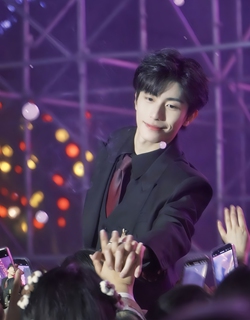
Every extra 30 minutes of stay raises the probability of secondary consumption by about 25 percent, according to local data. Revenue jumped from about 80 million yuan ($11.86 million) in 2022 to 1.27 billion yuan in 2025.
While Hengdian World Studios has used characters to boost repeat visits, with annual pass holders returning multiple times "for a specific character."
Cultural scholar Yu Jinlong told the Global Times that the influx of trained actors is upgrading immersive tourism.
"In the past, theme park characters were mostly amateurs doing costume photos. Now professional actors can build complete characters, improvise and connect storylines, turning scenic spots into open-air theaters," he said.
Yu pointed out the uniqueness of China's character boom compared with global immersive entertainment.
"Unlike Western theme parks that rely heavily on mature imported IPs and standardized performances, China's scenic character culture is rooted in local wuxia (martial hero) history and folk customs, encouraging personalized improvisation. Many local scenic spots create hit immersive projects with small investments, forming a unique online-offline communication loop via social media," Yu said.
As China's cultural consumption shifts from sightseeing to participation, Yu said the young actors swapping short drama sets for scenic spots may be shaping a new hybrid career for the country's entertainment workforce.
For Luo, the recognition from visitors is a reward in itself.
"There are tourists who travel from far away just to see my performance. It feels good to be recognized," she said. "Actually, I'm still exploring too. But I think you should do what you love, as long as you have the ability."
。

B | AI摘要 福建传承弘扬“四下基层”制度,坚持群众路线,通过为民办实事、一线工作法及深入调研等举措,持续解决民生问题,提升基层治理效能,让党的优良作风在新时代焕发活力。 东南网8月21日报道(福建日报记者 郑雨萱)在宁德霞浦县委党校,一栋三层小楼绿树环绕,楼顶高悬的“四下基层 世代相传”8个红色大字清晰醒目,这是首次宁德地、县领导接待群众来访日活动旧址。

C | “四下基层”是习近平同志在宁德工作时,大力倡导并身体力行形成的工作方法和工作制度,也是践行党的群众路线的重大创举。

D | 20世纪80年代,闽东地区山高路远、交通不便,群众有事上门找政府,跋山涉水、耗时耗力。

E | “与其群众跋山涉水上访,不如我们干部直接下访。”有感于此,习近平同志提出,每个县确定一个信访接待日。 1988年12月,宁德首次“地、县领导接待群众来访日”活动在霞浦县举办。

F | 地、县两级领导共接待群众102名,受理问题86件,其中12件当场解决。这一创新尝试,此后在实践中逐步发展丰富为宣传党的路线、方针、政策下基层,调查研究下基层,信访接待下基层,现场办公下基层“四下基层”制度。 在调任福州市委书记后,习近平同志因地制宜,在“四下基层”基础上,进一步提出开展进万家门、知万家情、解万家忧、办万家事“四个万家”活动,要求改进干部作风,落实“马上就办、真抓实干”。

G | 到省委、省政府工作后,习近平同志总结实践经验,在全国率先提出加强机关效能建设,亲自担任省机关效能建设领导小组组长。 为人民而生,因人民而兴。“四下基层”“四个万家”等工作制度,回答了走好新时代党的群众路线的根本问题,具有超越时空、历久弥新的真理价值和指导意义。 党的十八大以来,党中央把群众路线摆在治国理政突出位置,先后开展多轮党内集中教育,系统回答“我是谁、为了谁、依靠谁”根本命题。2024年10月,习近平总书记在福建考察期间指出,要“全面落实‘四下基层’制度,走好新时代党的群众路线,提升党建引领基层治理效能”。 嘱托殷殷、厚望如山,立足“四下基层”发源地优势,福建围绕走好新时代党的群众路线的鲜明主线,积极探索密切联系群众的新途径、新方法,推动“四下基层”与时代同频、与民心共振,成为广大干部群众在八闽大地接续奋斗的强大力量。 群众路线,植根于人民。习近平同志在福建工作期间强调,要牢记政府前面的“人民”两个字。 1991年起,福建省委和省政府连续36年不间断开展为民办实事,省级财政投入超2000亿元资金,办好776项直接关乎人民群众切身利益的实事。近年来,福建推行省、市级领导干部每人结对帮扶1个村(社区)、挂钩1个企业(项目)、帮扶1户以上贫困户,在谋民生之利、解民生之忧上出新招、办实事;设立12345政务服务便民热线,畅通咨询、投诉、建议和求助渠道,鼓励广大人民群众和社会各界以各种方式建言献策。 群众路线,落脚在基层。习近平同志在福建工作期间指出,“我们一切工作,基层最重要”“基层是第一线,也是前线,也是火线”。 福建紧紧牵住基层这个“牛鼻子”,推行“发现问题在一线,化解矛盾在一线,工作落实在一线”的“一线工作法”,建立健全干部直接联系群众、挂钩联系民营企业制度;汇集社会多方面力量参与基层治理工作,深入实施年轻干部与群众“同吃、同住、同劳动、同调研”实践活动,选派中青年干部参加驻村、对口支援等挂职锻炼;深化近邻党建,组织56.3万名在职党员到社区、小区报到;探索建立乡村振兴特聘指导员制度,突破地域、身份、专业、学历等界限,吸纳年轻党员干部、科技特派员、“新农人”、返乡大学生等能人助力乡村振兴。 群众路线,重在调研求实。习近平同志在福建工作期间坚持先调研后决策,提出“作出决策之前,先听他个八面来风”,把主要精力放在决策前的调查、分析、论证上,以寻找和选择最佳决策方案。 福建将调查研究作为开展工作、出台政策、制定战略的“先手棋”。每年省级领导到基层调研不少于30天,市县领导不少于60天,以便掌握在办公室难以听到、不易看到的第一手情况。

H | 省委建立工作检查制度,省领导带队分赴各地直奔现场、直面群众,在一线察实情、解民忧、促发展。2026年3月1日,《福建省重大行政决策程序若干规定》正式施行,明确所有民生、产业、规划类重大事项必须开展基层调研、群众听证,把群众意见作为决策前置门槛,从制度源头杜绝脱离群众的决策偏差。 群众路线,要在淬炼思想。群众路线既要靠制度机制约束,更要靠思想淬炼、党性教育筑牢思想根基。近年来,全省构建多层次、立体化学习宣传矩阵,依托谷文昌纪念馆、“四下基层”主题展馆、“3820”战略工程展示馆等现场教学阵地,常态化开展主题宣讲、实地研学,引导广大党员感悟其中蕴含的人民立场,淬炼为民初心。

I | 民之所忧,我必念之;民之所盼,我必行之。 数十年来,从信访接待下基层到现场办公解民忧,从深入调研察实情到扎根一线办实事……每一次下沉走访、每一场一线攻坚、每一件民生实事,都是党的群众路线最生动的诠释。站在新的历史起点,福建广大党员干部将接续传承优良作风,深耕基层一线、淬炼实干本领、厚植民生福祉,让党的群众路线在新时代焕发蓬勃生机与强大活力。

J |
Current article:http://am9s.shuosongzoutunchutao.cfd/news/20260826_971420.xls
Published on:19:34:17


